Trust and the happiness of small countries

There are certain things you only notice when they’re missing.
Take mistrust, for example.
That’s why today we’re focusing on accessibility. Openness. That slightly unsettling absence of a ‘no trespassing’ mentality.
Recently, a well-known German-language podcast mentioned the ‘happiness of small countries’. The argument: if a country is small enough, it feels more like a community.
Denmark has around six million inhabitants. Berlin alone has almost four million. Germany as a whole has a good eighty million.
So one could argue: this is a manageable club.
But the openness we encounter here feels less like a statistic – and more like everyday life.
Clear the way
Back home in Germany, bodies of water are often a bit of a puzzle:
Where can you actually get to the water?
Private property, fences, ‘No trespassing’ signs, subtle hints about ownership. If you really want to get to the lake, you sometimes need almost legal ingenuity.
In Copenhagen, on the other hand: water.
And accessible, too.
Canals, harbour basins, riverside paths – you can get to almost anywhere. Courtyards of residential complexes? Often open. Allotment gardens? Also accessible.
You walk in, sit down somewhere, look at the water.
Nobody asks what you’re actually doing there.
Swimming for everyone
It goes even further than that.
There are plenty of places to swim. Just like that. Public.
With wooden decks, ladders, swimming areas. Some are proper swimming pools right in the harbour.
Stylishly designed. Lots of wood. Lots of sun. Lots of water.
Everyone can go in.
There are saunas next to them. We haven’t tested yet whether you can just pop in there too. Our experience over the last few weeks suggests: probably yes.
Nature and a leap of faith
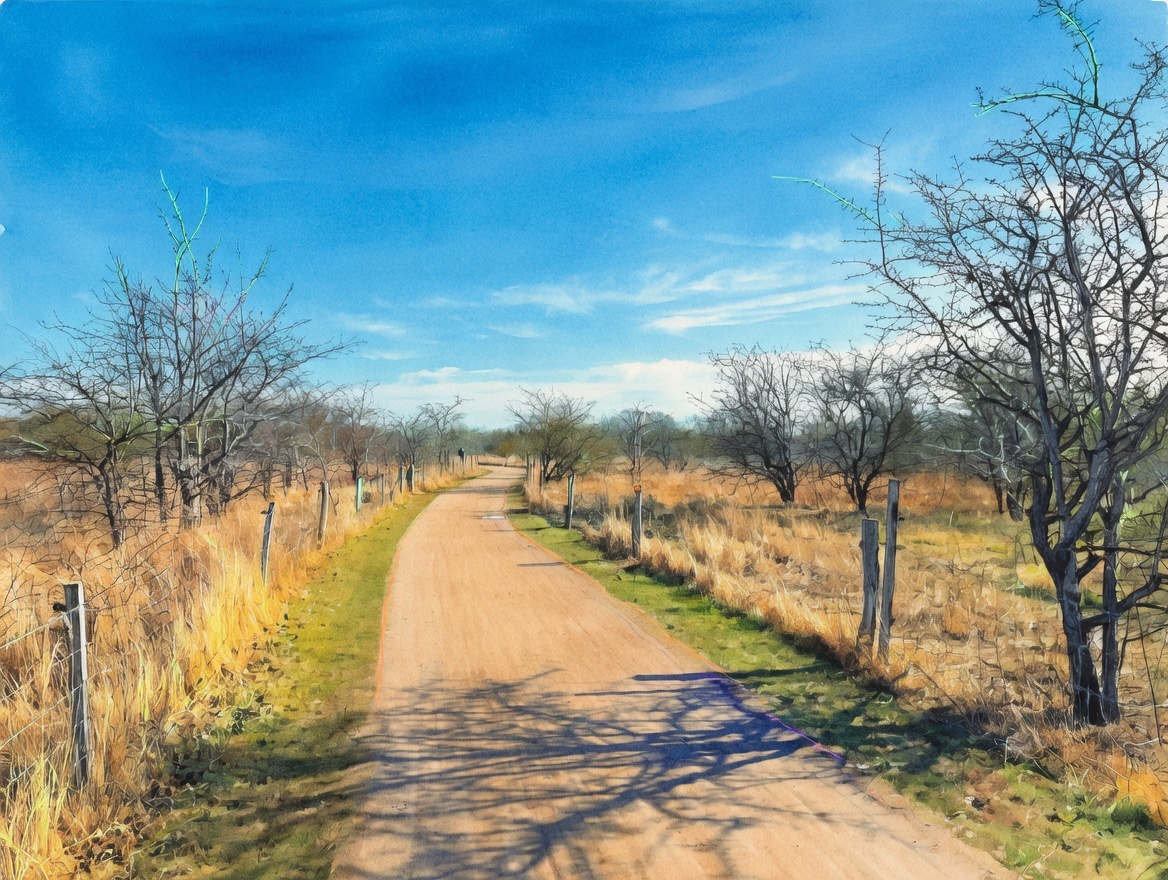
A similar principle applies in nature reserves too.
A few areas are actually off-limits. Others, however, are more like a friendly request.
There are fences, yes – but often with a gap to get through.
A few notes on this: sheep live here. Or goats.
Or – no joke – lamas.
A small sign explains how to behave. Nothing more.
The basic principle seems to be: people will know what they’re doing.
Of course, it doesn’t work perfectly. You might find an empty bottle or a bit of rubbish here too.
But the immediate reaction isn’t: Now we need a new ‘No Entry’ sign.
Rather: someone clears it away. It’s not the end of the world.
And next time, it works again.
Let’s be honest: who among us hasn’t done something silly at some point?
Windows to the world
The sense of openness doesn’t end outside.
Surprisingly, it continues inside the flats.
Many actually look like something out of a furniture catalogue: simple, bright, modern.
A touch of Ikea, a touch of hygge.
But what strikes us first is that there are hardly any curtains.
Floor-to-ceiling windows, a clear view inside. In the evenings, you can see people sitting at the dining table, sometimes in their bathrobes, sometimes with a glass of wine.
Nobody seems to mind.
At first, we felt like we were on display.
The whole flat brightly lit, with people walking past outside.
The question was: do people look in?
After a few weeks, the answer is probably:
No. Or they simply don’t care. Neither do we, now.
Trust at the cloakroom
A similar feeling creeps over you in the museum.
You walk in, look for the cloakroom – and find open coat racks instead.
No numbers. No tags. No checks.
You hang your jacket among those of the other visitors.
And leave.
Having been brought up in Germany, you find yourself inwardly waiting for someone to call out:
“Excuse me, you must hand in your jacket!”
But nobody calls out.
And when you return, your jacket is still hanging there.
A subtle effect
After a few weeks, we realise what effect this has on us.
We become more relaxed ourselves.
We simply wander into a place.
Sit down by the water.
Hang up our coats.
Not because everything is suddenly perfect.
But because the underlying assumption seems to be different:
That people generally get on quite well with one another.
And that you don’t necessarily need a lock for that. Or a ‘No Entry’ sign.
At least in a small country.